
Avalanche Level 1 Course
American Avalanche Association Recognized Provider
3 days of Avalanche Education
Mt Shasta & Bear Valley, California.
Mt Charleston, Nevada

Price per person
$675
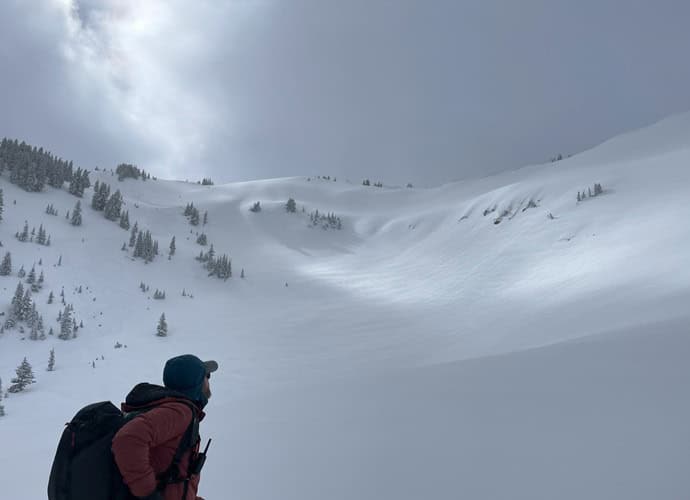
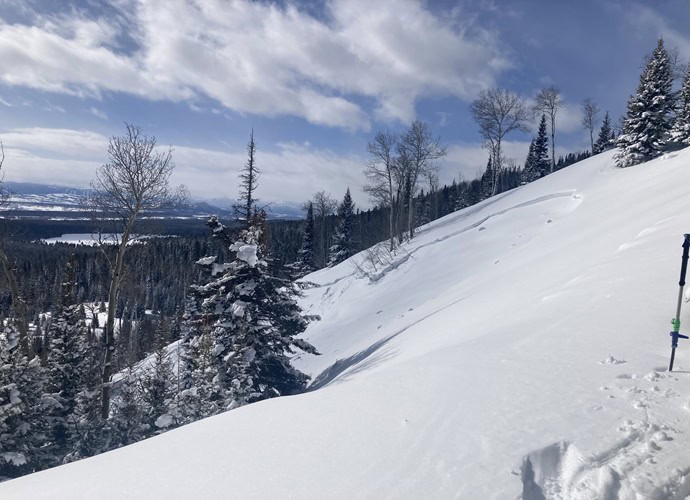
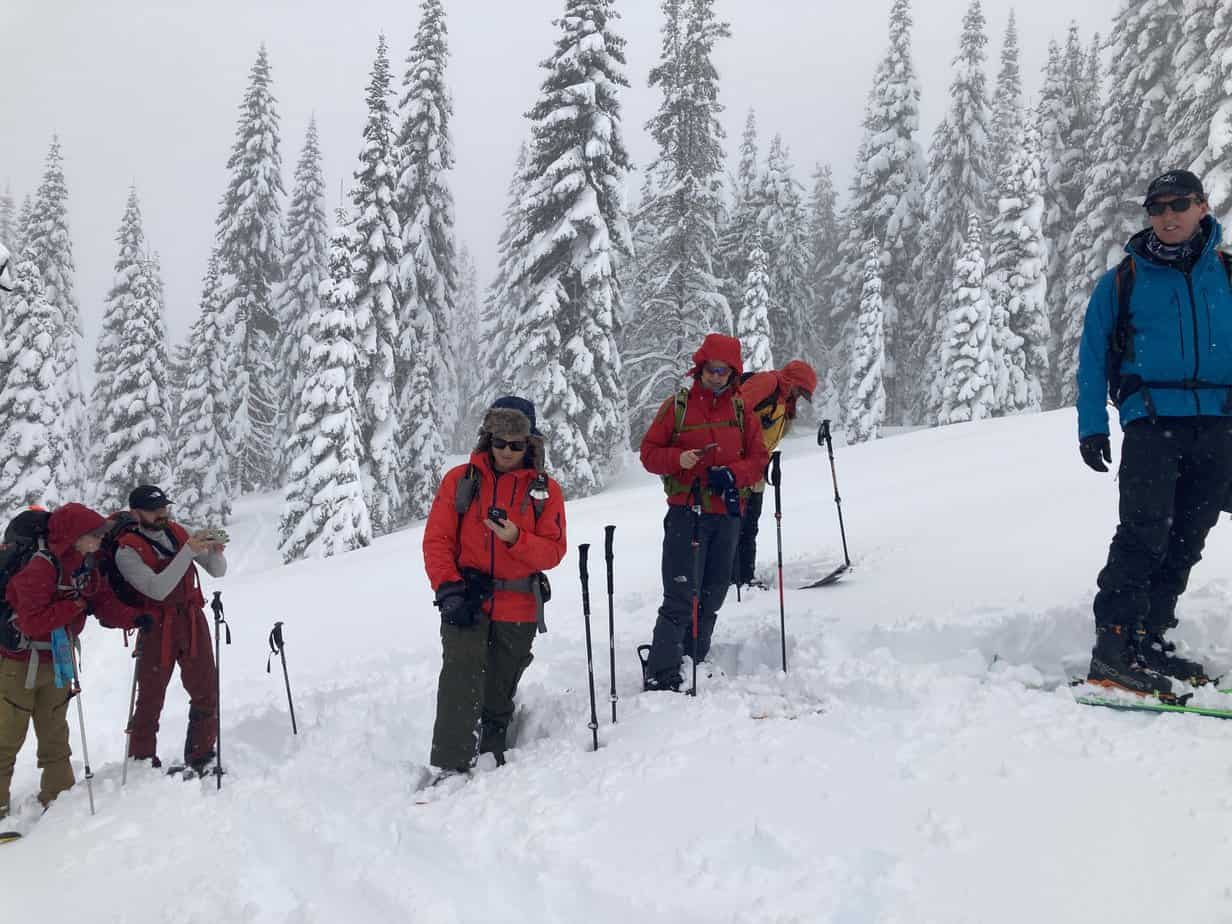
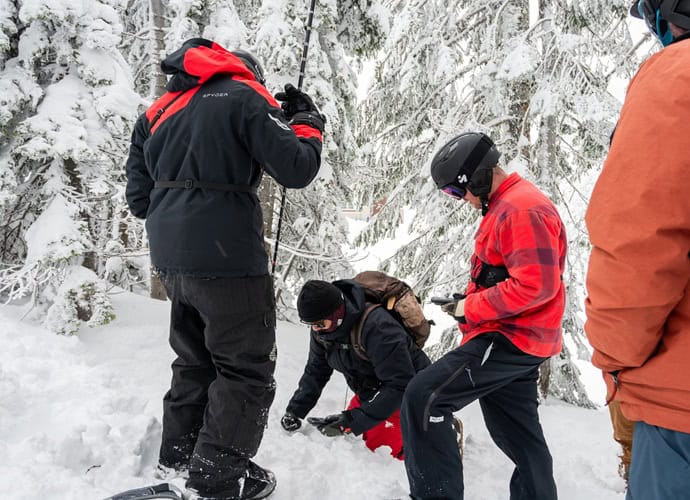
Our Avalanche Level 1 course is a three-day introduction to avalanche education for backcountry travelers, skiers, snowboarders, and mountaineers. This 24+ hour course combines classroom sessions and field instruction to give students the skills and knowledge needed to better understand avalanche terrain, weather, and snowpack conditions. Students will practice companion rescue with beacons, shovels, and probes, learn how to conduct stability tests, and develop strategies for group travel and hazard assessments.
By the end of the course, students will be able to recognize avalanche terrain, identify red flags in the snowpack, and use decision-making tools to reduce exposure while traveling in the backcountry. Our experienced guides and instructors emphasize practical application, ensuring that each student leaves with the confidence to apply what they’ve learned on their own trips. This course follows the guidelines set by the American Avalanche Association (A3) and is the first step in building a foundation for safe and informed winter mountain travel.
Departure: Mt Shasta & Bear Valley, California, Mt Charleston Nevada
Duration: 3 days
Prerequisites: None
Included in Course Cost: Instructor fees, land use fees, course materials, A3 Student certificate & student fee.
Group Size: 12
Guide to Guest ratio: 1:6
Avalanche Level 1 Course Itinerary
Day 1 – Classroom Session and Rescue Skills
The course begins at 8 a.m. with an introduction and the first classroom session. Instruction covers the fundamentals of avalanche terrain, weather influences, snowpack structure, hazard recognition, and decision-making in avalanche terrain. After lunch, we will transition into the field for a practical session on avalanche rescue. Students are introduced to transceivers, shovels, and probes, then practice with timed search and recovery drills. This session builds a foundation for effective avalanche rescue skills and concludes with a review and discussion before wrapping up for the day.
Day 2 – Snowpack and Field Observations
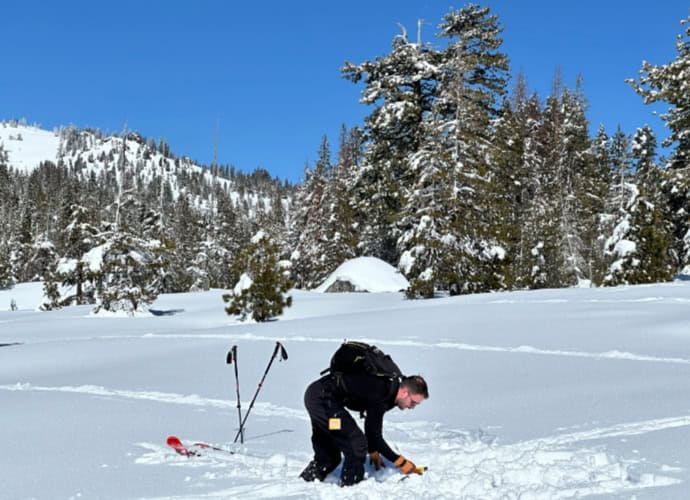
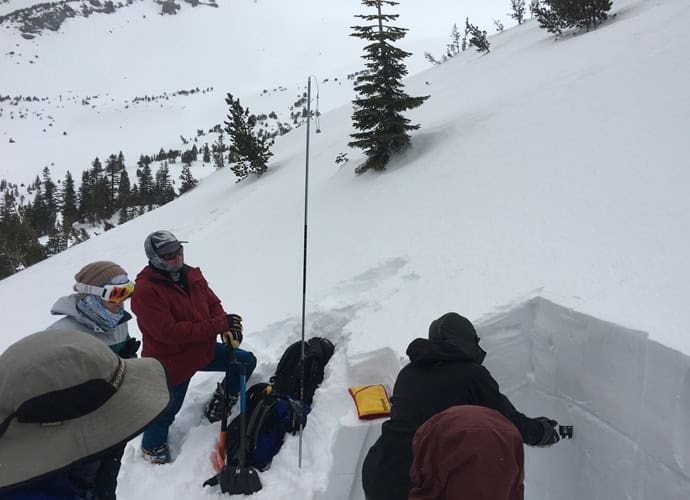
We meet again at 8 a.m. for the second morning of classroom instruction. Topics include avalanche problems, hazard management, risk assessment, and travel strategies. After the morning session, we will move outside for a field day focused on snowpack observation and stability assessments. Students practice digging snow pits, identifying snow layers, and performing basic stability tests to better understand how weather and terrain shape avalanche conditions. The field session continues into the afternoon, followed by a return indoors for review and preparation for the final day.
Day 3 – Field Travel and Application
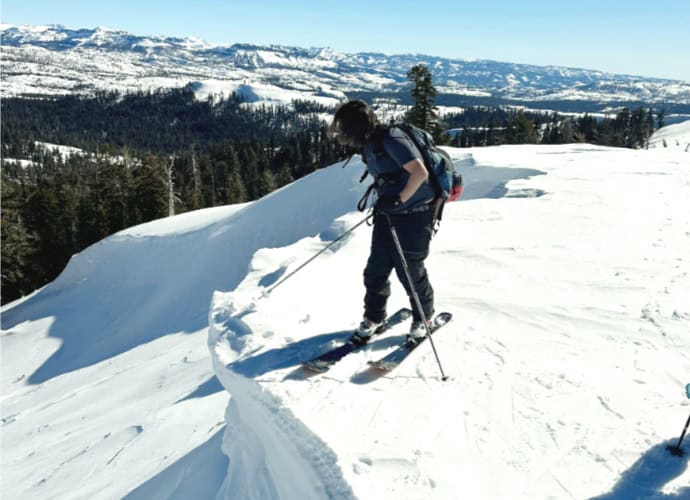
The final day begins in the classroom with a morning travel plan and review of decision-making tools. After preparing for the day, we will head into the field for a full day of applied learning. Students travel through or near avalanche terrain, practicing terrain recognition, safe travel techniques, group management, and communication protocols. Along the way, we will complete snowpack tests, quick pit profiles, and group assessments of the day’s conditions. The day emphasizes putting all the skills together and gives students the opportunity to apply what they have learned while engaging directly with instructors. The course typically concludes by 5 p.m.
Avalanche Course FAQ
- Q: Why should I take an avalanche course with SWS Mountain Guides?
A: We’ve been teaching avalanche courses since our early days in 1981, and our curriculum is recognized by the American Avalanche Association (A3). Our instructors are experienced educators and mountain professionals who focus on practical skills, real-world decision-making, and helping you become more confident in the backcountry. - Q: Are your avalanche courses approved?
A: SWS Mountain Guides is an American Avalanche Association (A3) fully recognized Avalanche Course Provider for meeting or excessing the national standards for avalanche education in the U.S. set by the American Avalanche Association. Our courses carry the same recognition other A3 recognized providers including the American Avalanche Institute, and AIARE associated organizations. For example; our Level 1 and rescue course with SWS qualifies you to take a Level 2 or Pro 1 with SWS Mountain Guides with any other A3-recognized provider. -
Q: What types of avalanche courses do you offer?
A: We offer Avalanche Level 1, Avalanche Rescue, Avalanche Level 1 Refresher*, Avalanche Level 2, and Professional Level 1 in partnership with the American Avalanche Association. We also provide customized refresher and awareness courses. Our programs are designed for backcountry skiers, snowboarders, climbers, and mountaineers. Note:*The Avalanche Level 1 Refresher is meant to review and reinforce the A3 curriculum from the full Level 1 course. It is not a replacement for the complete Level 1. - Q: Do I need any prior experience to take an avalanche course?
A: No prior avalanche training is required for Level 1. You should be comfortable skiing, snowboarding, or traveling on snowshoes in backcountry terrain. Higher-level courses (Level 2) do require a completed Level 1 and Rescue Course, plus some time in the backcountry to practice your skills. - Q: Where are your avalanche courses held?
A: Our courses are offered in Oregon, Nevada, and California, including Mount Shasta and Bear Valley. We also offer custom courses in Tahoe, Lassen, and the Eastern Sierra. Each location offers varied terrain and snowpack for a comprehensive learning experience. - Q: What’s included in the course cost?
A: Instruction, course materials, discounts and trials of mapping programs. You’ll be responsible for your own backcountry ski, snowboard, or snowshoe setup, along with clothing, food, and transportation. Avalanche safety equipment (beacon, probe, shovel is available for rent from us if you don’t have your own) - Q: How many people are in a course?
A: We keep groups small. We will not exceed 6 students per instructor on our courses. This ensures more personalized instruction, better group discussions, and increased learning during field sessions. - Q: What will I learn in a Level 1 Avalanche Course?
A: You’ll learn how to recognize avalanche terrain, understand weather and snowpack factors, use decision-making frameworks to reduce your exposure to avalanche hazards, travel protocols while in avalanche-prone areas, and practice rescue techniques. The course is a mix of classroom and hands-on fieldwork. - Q: How much time is spent in the classroom versus the field?
A: Our courses are 24+ hours over 3 days. Day 1 and 2 are typically a morning classroom session followed by afternoons in the field. Day 3 consists of a full day in the field to emphasize practical, hands-on experience in real snow conditions, because that’s where the learning really sticks. - Q: What gear do I need for an avalanche course?
A: You’ll need a backcountry travel setup (skis with touring bindings and skins, splitboard with skins, or snowshoes), appropriate winter clothing, a backpack, food, and water. Avalanche safety gear (beacon, probe, shovel) is available for rent if you don’t have your own. - Q: Can I rent ski or snowboard gear from you?
A: We don’t rent skis or splitboards, but we can point you toward trusted local rental shops near each course location. - Q: How physically fit do I need to be?
A: Avalanche courses are active, requiring travel in snow and variable conditions while carrying a pack. Moderate fitness is recommended, but you don’t need to be an elite athlete. If you can comfortably hike several miles in the mountains, you’ll be fine. - Q: How do these courses help me in the real world?
A: The goal is to give you tools to make better decisions in the backcountry. You’ll leave the course more confident in assessing terrain, recognizing hazards, communicating with your partners, and using your rescue gear if an emergency arises. - Q: What if the weather is bad during my course?
A: Avalanche courses run in all kinds of winter weather, since changing conditions are part of the learning process. If conditions are unsafe to travel in the field, your instructor will adjust the plan, but most storms actually enhance the educational experience. - Q: How do I sign up for an avalanche course?
A: You can register directly on our website or give us a call. Once you sign up, we’ll send you a confirmation email with course logistics, gear list, and rental options. Our office team is always happy to answer any questions you have before your course.