
It’s only been a couple of weeks since I wrote about the recent fatalities on the Clear Creek Route of Mount Shasta. Those events are always a reminder of how quickly conditions in the mountains can change, and that even experienced hikers or climbers can find themselves at greater risk than anticipated. That reflection, along with the recent death on Mount Whitney, has stayed with me, especially as we’re now getting more questions about Mount Whitney conditions from people heading out on the trail this time of year. The connection isn’t hard to see. Both mountains, both stories, show how a seemingly straightforward hike can become much more technical once snow and ice appear.
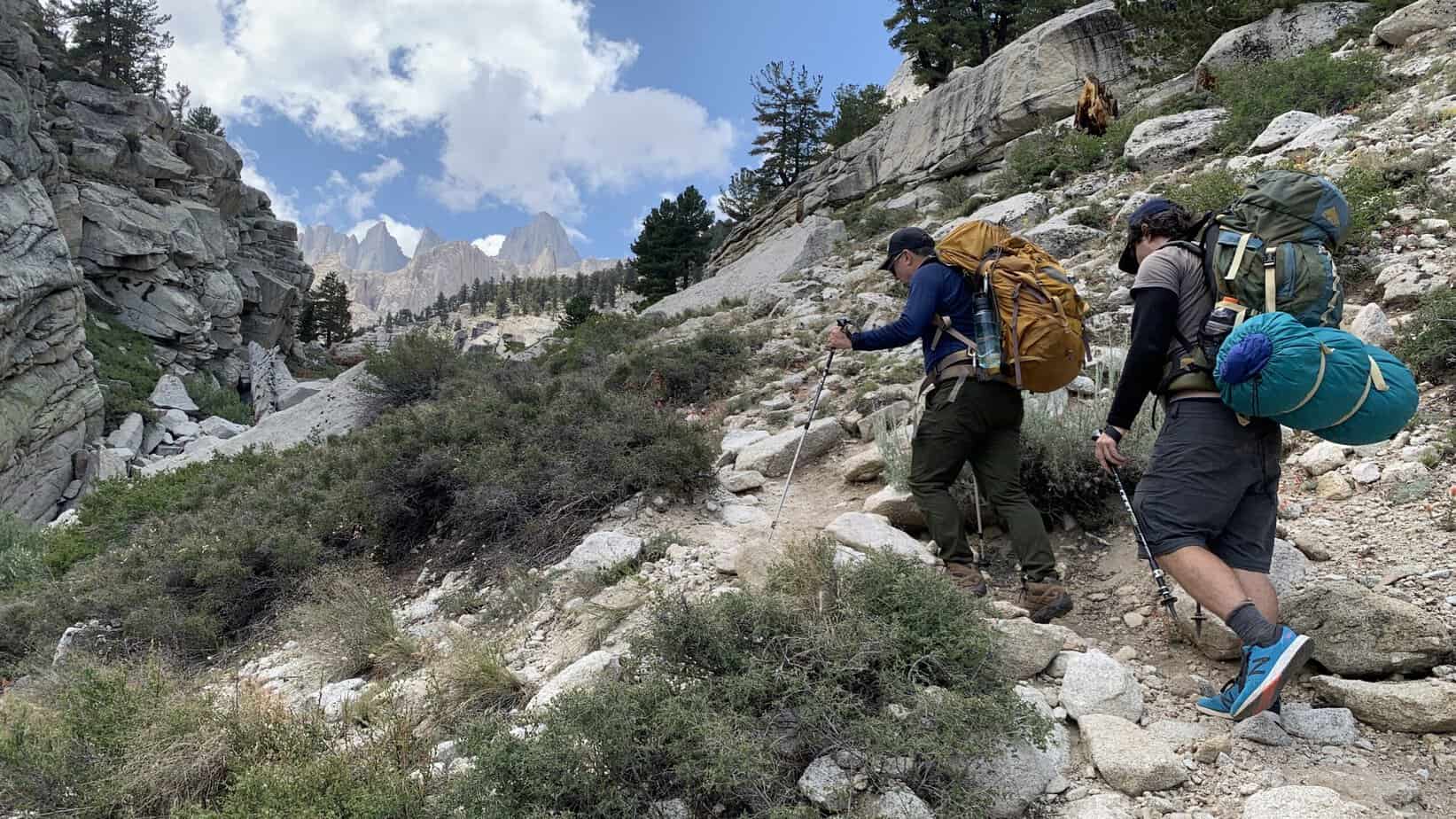
Mount Whitney, at 14,505 feet, is the highest peak in the lower 48 states and one of the most popular climbs in the Sierra. During the heart of summer, the Mount Whitney Trail is a long, demanding hike but generally straightforward for those in good shape and properly acclimatized. Many reach the summit each year with no mountaineering experience required.
Right now, however, the alpine season is shifting, and with that shift comes risk.
Each fall, as the permit season winds down and the crowds thin, hikers often try to fit in a last climb before the snow settles in for the winter. Cooler temperatures, fewer people on the trail, and the hope that it’s still in “summer shape” all make sense. But year after year, we see that the upper mountain trail conditions can catch people off guard. Early storms, cold nights, and freeze-thaw cycles leave sections of the trail icy or snow-covered, making the hike more challenging than many anticipate.
Unlike in the spring, when hikers expect snow and ice and often call us, the Forest Service, or other outfitters ahead of time asking about conditions, the fall crowd generally isn’t prepared. In early spring, our phones ring constantly with questions about snow levels, avalanche hazard, and whether crampons or an ice axe are still needed on the Mountaineers Route. That’s a different mindset: spring hikers plan for snow, while fall hikers often hope to avoid it.
Unfortunately, that difference in preparation can have serious consequences. There have been multiple fatalities on the Mount Whitney Trail over the years, including a recent one believed to be caused by a slip on icy terrain. Even a well-traveled trail can become dangerous quickly.
It’s also important to remember that no guide or guide services, including ours, are allowed to operate on the Mount Whitney Trail. Commercial guiding is limited to the East Face, East Buttress, and Mountaineers Route. These more technical routes generally require some mountaineering skills, including experience with an ice axe, crampons, and self-arrest. (Please take note that crampons are different from microspikes or other lighter traction devices; they’re more rigid and designed for use with stiff-soled mountaineering boots.)
Even though we can’t guide the trail itself, we do get a steady stream of calls from hikers asking about conditions. One of the best ways to stay informed is to check multiple reliable sources before heading out. Several active Facebook groups and online climbing forums post recent trip reports, photos, and firsthand updates, which often give the clearest picture of current conditions on the mountain.
If you’re planning a climb in the coming weeks, take the time to prepare. Bring proper equipment, including an ice axe, crampons, warm layers, and an SOS device. Most importantly, be realistic about your experience and comfort level with snow and ice travel. If that’s not your skill set yet, it may be better to plan your climb earlier in the summer, when the trail is clear and the risks are lower.
Mount Whitney is a mountain that deserves respect year-round. It offers one of the most rewarding hikes in the Sierra, but as with all big peaks, preparation, awareness, and timing make the difference between a great day in the mountains and a potential disaster.
Additional Resources and Contacts
Before heading out, make sure you’ve checked in with the right local agencies and reviewed current weather and snow conditions. These resources can help you plan responsibly and respond quickly if something goes wrong:
- Inyo County Search and Rescue (SAR): For emergency response and safety information.
- Inyo National Forest – Mt. Whitney Ranger District: For current trail conditions, permit updates, and seasonal closures.
- Weather and Forecast Resources:
- OpenSnow – regional snowpack forecasts and storm updates
- Weather.gov 12,165ft point forecast – official National Weather Service forecast and alerts
- Mountain-Forecast.com 14,495ft forecast – multi-elevation forecasts specific to Mount Whitney
Always check recent trip reports (there are numerous Facebook, and Reddit groups) and current conditions before heading up.
Good information and careful preparation can make all the difference in how your day on the mountain turns out.
Please take note that this article is not meant to cast doubt or judgement on any of those that have passed. Instead, this is meant to spark discussion, and hopefully encourage those looking at hiking or climbing to make sure they’re prepared.
Written By: Caleb Burns